
In the fast-paced, digitally-driven business landscape, organizations are persistently steering through waves of technological advancements to uphold their competitive edge. The evolution from traditional Enterprise Resource Planning (ERP) systems to innovative, multifaceted solutions like SAP Business One (SAP B1) signifies a monumental shift, especially poignant for Small and Medium Enterprises (SMEs). Join us as we navigate through this transformative journey, unveiling the pathways, challenges, and enhanced capabilities that unfold when moving to SAP B1, ensuring not only adaptability but also foresighted business management.
Transitioning from a conventional ERP system to SAP B1 is not without its hurdles. Data migration, encapsulating years of critical business information, demands meticulous planning and execution to avoid data loss or corruption. Employee training poses another critical challenge, requiring dedicated programs to ensure seamless adaptation to the new system. Furthermore, integrating SAP B1 with existing systems and processes necessitates strategic planning to retain operational continuity.
The financial aspect of implementing SAP B1 can be multifaceted. While upfront costs might be a consideration, it’s pivotal to gaze beyond the initial investment, examining the extensive capabilities, scalability, and operational enhancements it brings to the forefront. The innovative "Accounting Management Software" and "Warehouse Management Software" functionalities, coupled with detailed analytics, pave the way for enhanced financial management and optimized resource utilization, promising a robust ROI in the longer run.
SAP B1 ascends beyond the conventionalities of traditional ERP systems, introducing a plethora of advanced capabilities. Particularly in realms like accounting and warehouse management, businesses witness a transformative shift. Automated, real-time data management, streamlined inventory tracking, and integrated financial management underscore a few of the myriad functionalities that drive operational efficiencies, ensuring your business is not merely keeping pace, but advancing ahead.
The power of real-time data analytics and management in SAP B1 is monumental. By enabling businesses to access, analyze, and leverage data in real time, it ensures that decision-making is not just informed but timely and strategic. As businesses grapple with market dynamics, having a system that provides instantaneous data insights becomes not merely beneficial, but imperative.
Consider the narrative of XYZ Corp, a mid-sized entity, which successfully transitioned from a traditional ERP to SAP B1. The journey, while punctuated with challenges in data migration and employee adaptation, was mitigated through strategic planning, phased implementation, and dedicated training modules. The outcome? Enhanced data management, streamlined operations, and an impressive 20% boost in operational efficiency within the first year of implementation. Narratives such as these weave a tale of potential and possibilities when transitioning to SAP B1.
1. Strategic Planning: Outline a detailed transition plan, defining phases, milestones, and key deliverables.
2. Data Migration: Ensure a systematic, secure data migration process, safeguarding critical business information.
3. Employee Training: Implement comprehensive training programs to facilitate smooth adaptation to the new system.
4. Integration: Seamlessly integrate SAP B1 with existing systems and processes, ensuring operational continuity.
5. Support and Troubleshooting: Establish a dedicated support mechanism to address issues and challenges promptly during and post-transition.
6. Review and Optimization: Continuously monitor the system post-implementation, seeking avenues for optimization and enhancements.
Navigating from traditional ERP to SAP B1 marks a journey of transformation, advancement, and enhanced operational capabilities. While challenges inevitably intertwine with the transition process, the outcome – a technologically advanced, efficient, and robust operational framework – brings forth unparalleled benefits. Join us in unfolding further insights and stories of transformation in the fascinating world of ERP transitions.
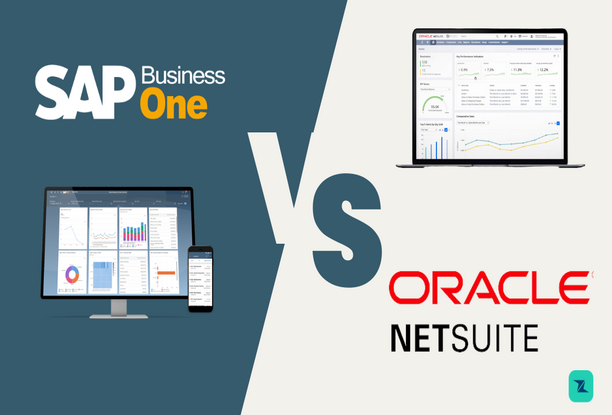
Understanding Why SAP Business One Emerges as the Top ERP Solution for Small and Medium-Sized Businesses: Insights from ZConsulto
Read More
Boosting Efficiency & Growth: Streamlining with SAP Business One by ZConsulto
Read More.png)

Navigating Global Expansion with Precision and Agility through Tailored ERP Solutions
Read More
Enhancing E-commerce Efficiency and User Experience with SAP Business One Integration
Read More
Crafting a Bespoke Operational Canvas: Navigating through the Infinite Possibilities of Customizing Your ERP Experience with SAP Business One
Read More
Strategically Navigating Through the Webs of Data Regulations with Cloud-Hosted SAP Business One ERP Solutions
Read More
Empowering Businesses with SAP Business One: Unveiling Seamless, Intelligent, and Integrated Supply Chain Solution
Read More